A website is often the first digital asset a small business builds.
It acts as your:
- digital storefront
- marketing platform
- credibility builder
- lead generation engine
Fortunately, modern tools have made website creation significantly easier.
But choosing the right platform and structure remains important.
Step 1: Choose the Right Platform
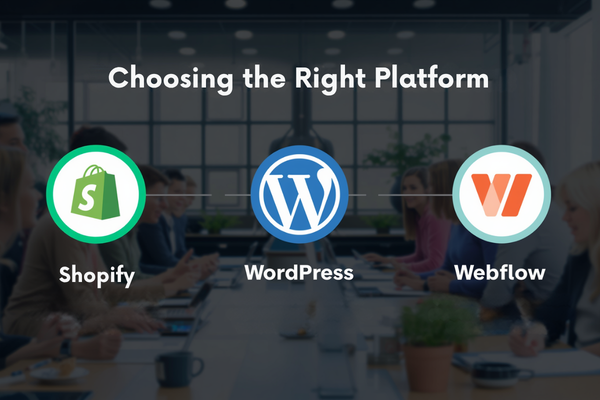
Different business types require different website platforms.
Shopify
Best for:
- product-based businesses
- ecommerce stores
- subscription products
Advantages:
- simple setup
- integrated payments
- strong ecommerce features
WordPress (with hosting like Bluehost)
Best for:
- service businesses
- consultants
- content-driven websites
Advantages:
- flexibility
- SEO strength
- large ecosystem of plugins
Webflow
Best for:
- design-focused brands
- agencies
- startups
Advantages:
- visual design control
- clean code output
Step 2: Build Essential Website Pages

Every professional small business website should include:
Home
About
Services or Products
Blog or Resources
Contact
Additional pages may include:
- case studies
- pricing
- FAQs
These pages help customers quickly understand what you offer.
Step 3: Integrate Lead Capture

Your website should actively collect leads.
Examples include:
- contact forms
- newsletter signups
- consultation booking
- downloadable resources
These leads should automatically flow into your CRM system.
Step 4: Use AI Tools for Content

AI can help accelerate website creation by assisting with:
- copywriting
- SEO optimization
- blog generation
- FAQ creation
This helps small businesses launch websites faster without hiring large teams.
Step 5: Focus on SEO from the Beginning

Search engines remain one of the most powerful traffic sources.
Basic SEO includes:
- keyword-optimized blog articles
- clear page structure
- fast website performance
- mobile-friendly design
Over time, content builds organic visibility for your business.