GMBS Playbook Chapter 2- The 10 Most Valuable Assets Every Small Business Should Own
Stop Building a Business That Depends on You. Start Building One That Outlives You.
A Familiar Story
Raj owns a successful digital marketing agency.
For the past eight years, business has been good.
Clients like his work.
His team respects him.
Revenue continues to grow.
Yet every evening he leaves the office feeling exhausted.
Every proposal needs his approval.
Every major client wants to speak with him.
Every difficult problem lands on his desk.
One afternoon a friend asks him a simple question.
“If you took six months off, would your business continue growing?”
Raj laughs.
“It would probably survive,” he says.
“But it definitely wouldn’t grow.”
His friend smiles and replies,
“Then you’ve built a job… not a business.”
That conversation changed how Raj looked at his company.
He realized he had spent years building revenue, but very little time building assets.
The Hidden Problem
Most entrepreneurs measure business success by revenue.
Revenue matters.
But revenue tells you what happened this month.
Assets determine what happens over the next ten years.
Many businesses generate impressive sales while remaining completely dependent on the owner.
Others quietly build systems, knowledge, customer relationships, and intellectual property that continue creating value year after year.
Those businesses become easier to grow, easier to sell, and easier to manage.
The Mindset Shift
Instead of asking:
“How do I make more money?”
Ask:
“What asset am I building?”
Revenue pays today’s bills.
Assets create tomorrow’s opportunities.
Every project your business completes should leave behind something more valuable than the invoice.
It should leave behind a reusable asset.
What Is a Business Asset?
A business asset is anything that continues creating value after it has been built.
Some assets generate income.
Some reduce costs.
Others improve efficiency, customer experience, or business valuation.
The strongest businesses continually transform today’s work into tomorrow’s assets.
The 10 Business Assets Every Small Business Should Build
1. A Trusted Brand

Your brand is far more than a logo.
It is the reputation customers associate with your business.
A strong brand reduces marketing costs, builds trust, and makes it easier for customers to choose you over competitors.
Ask yourself:
Would customers recommend your business by name?
2. A Customer Database
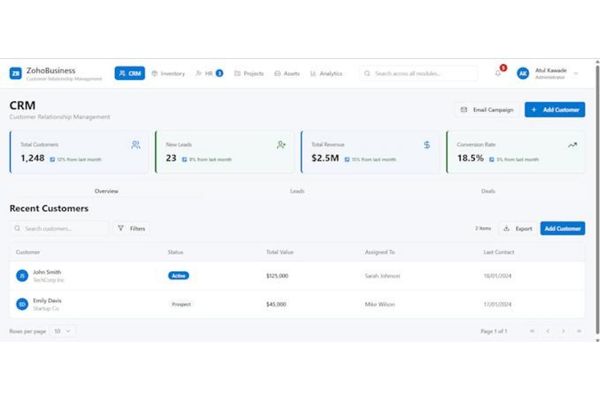
Many businesses celebrate new customers but fail to build lasting relationships.
Your CRM and customer database should become one of your most valuable assets.
It should capture:
- Customer history
- Preferences
- Purchase behavior
- Communication records
- Opportunities for future business
Unlike advertising, your customer database becomes more valuable every year.
3. Standard Operating Procedures (SOPs)
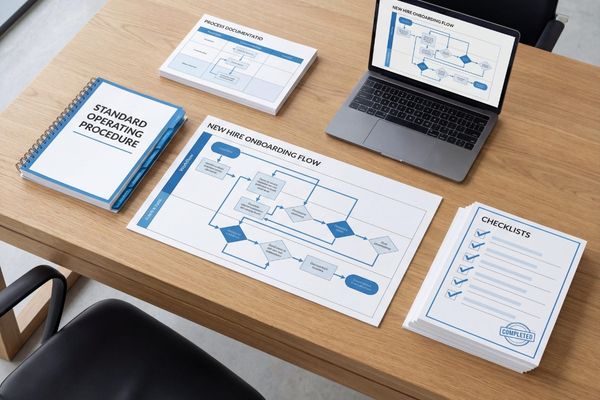
Every repeated task should eventually become documented.
Without SOPs, businesses remain dependent on individual employees.
With SOPs, knowledge becomes part of the company.
Document:
- Sales processes
- Customer onboarding
- Daily operations
- Quality control
- Employee training
Systems reduce chaos.
4. Intellectual Property

Every business creates knowledge.
Few package it.
Examples include:
- Frameworks
- Templates
- Training materials
- Videos
- Guides
- Methodologies
- Software
- Digital resources
These assets can eventually become products or licensing opportunities.
5. Digital Content Library
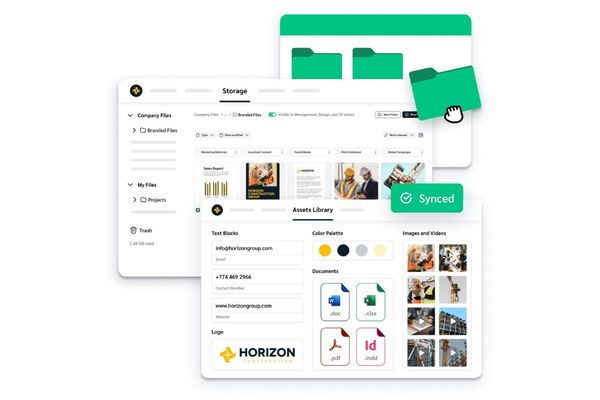
Every article, video, webinar, social media post, case study, and guide contributes to your marketing engine.
Content works long after it has been published.
Instead of asking,
“What should we post today?”
Ask,
“What library are we building?”
6. Business Processes

Successful businesses don’t rely on memory.
They rely on repeatable systems.
Strong processes improve:
- Customer satisfaction
- Efficiency
- Quality
- Profitability
Every improvement should be documented.
7. Technology & Automation

Modern businesses increasingly depend on digital infrastructure.
Automation saves time while improving consistency.
Examples include:
- CRM automation
- Email workflows
- Appointment scheduling
- AI-assisted customer support
- Financial reporting
Technology should support people—not replace them.
8. Team Knowledge

When employees learn something valuable, the business should learn it too.
Encourage documentation.
Build internal knowledge bases.
Record training sessions.
Protect institutional knowledge.
Knowledge should remain even when employees move on.
9. Strategic Partnerships

Not all assets appear on a balance sheet.
Relationships with suppliers, distributors, referral partners, and complementary businesses can dramatically increase business opportunities.
Strong partnerships multiply capabilities.
10. Business Reputation

Trust is one of the hardest assets to build.
And one of the easiest to lose.
Protect your reputation by delivering consistent quality, communicating honestly, and continuously improving the customer experience.
Reputation compounds over time.
AI Corner
Artificial Intelligence can dramatically accelerate asset creation.
Instead of spending weeks documenting knowledge, AI can help you:
- Draft SOPs
- Create employee manuals
- Organize customer knowledge
- Generate marketing content
- Build training guides
- Create proposal templates
- Document internal processes
AI doesn’t replace your expertise.
It helps preserve and organize it.
Common Mistakes
Many business owners:
- Chase revenue without building assets.
- Create systems but never document them.
- Ignore customer data.
- Depend too heavily on themselves.
- Treat content as marketing instead of intellectual property.
The result?
The business becomes difficult to scale and nearly impossible to sell.
30-Day Action Plan
Week 1
List every asset your business currently owns.
Week 2
Identify the weakest asset category.
Week 3
Choose one area to improve.
Week 4
Create one permanent asset.
Examples:
- An SOP
- A customer guide
- A template
- A training video
- A CRM workflow
- A knowledge base article
Repeat every month.
By the end of one year, you’ll have built twelve valuable business assets.
Key Takeaways
- Revenue is important, but assets create lasting business value.
- Every project should leave behind a reusable asset.
- Systems, knowledge, customer relationships, and intellectual property often become more valuable than physical equipment.
- Businesses become scalable when they continuously transform experience into assets.
Final Thoughts
Imagine two businesses generating the same annual revenue.
One depends entirely on its owner.
The other has documented systems, a loyal customer database, proprietary training, strong brand recognition, automated workflows, and intellectual property.
Which business would you rather own?
Which would you rather invest in?
Which would command the higher valuation?
The difference isn’t revenue.
It’s the assets behind the revenue.
The strongest businesses don’t simply earn income.
They build value.
Most entrepreneurs measure success by one number:
Revenue.
But revenue only tells you how your business performed this month.
Assets determine how valuable your business becomes over the next ten years.
Every customer should leave behind more than income.
Every project should leave behind more than an invoice.
Ask yourself:
Did this project create…
- A better process?
- A reusable template?
- New content?
- A stronger customer relationship?
- A documented system?
- Intellectual property?
If the answer is yes, you’re building more than a business.
You’re building business assets.
And that’s what creates long-term value.