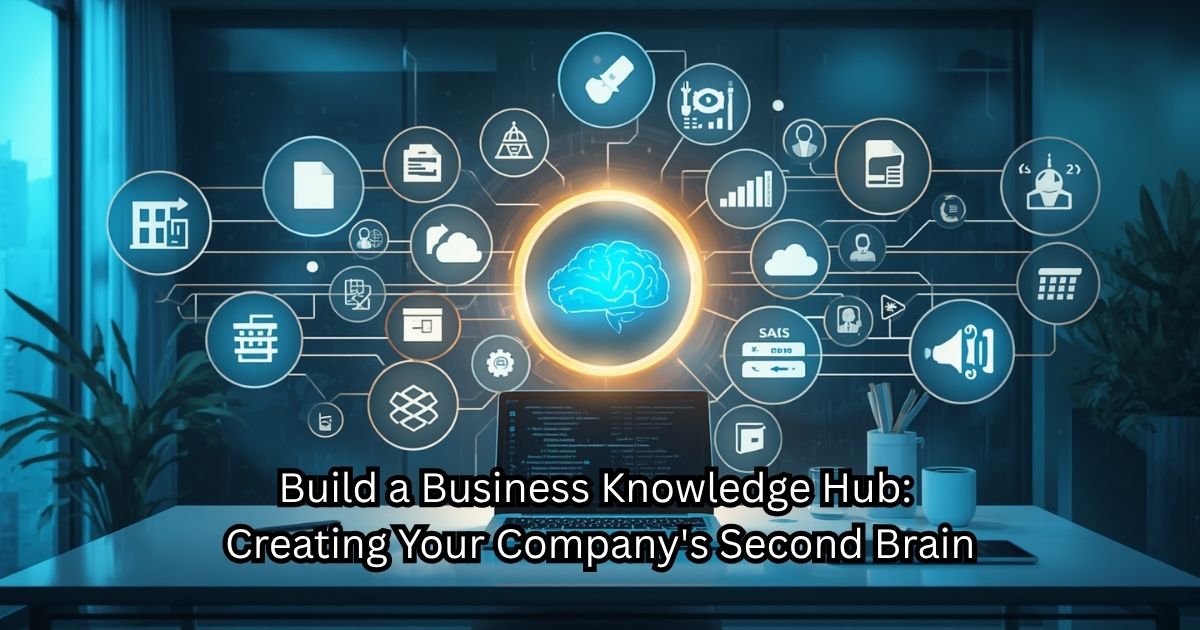
GMBS Playbook Chapter 8- How AI Can Help You Build Intellectual Property Faster
Opening Story
Maria had spent eighteen years running a successful bookkeeping business.
She had developed dozens of little techniques that made her team faster than competitors.
Clients loved working with her because she anticipated problems before they happened.
One afternoon, a new employee asked a simple question.
“How do you always know which reports a client will need before they ask?”
Maria smiled.
“I’ve just learned over the years.”
That answer seemed harmless.
But it revealed something important.
The company’s competitive advantage wasn’t documented anywhere.
It existed only inside Maria’s experience.
If she retired tomorrow, much of that knowledge would disappear with her.
What Maria possessed wasn’t just experience.
It was intellectual property waiting to become a business asset.
The Hidden Problem
Many entrepreneurs believe they have no intellectual property because they haven’t invented a product or filed a patent.
In reality, every successful business develops knowledge that competitors don’t have.
The challenge is that most of it remains undocumented.
It lives in conversations.
Emails.
Meeting notes.
Years of experience.
Employee memories.
The result is that businesses unknowingly lose valuable knowledge every time someone leaves or retires.
The Mindset Shift
Instead of asking:
“How can AI replace my work?”
Ask:
“How can AI help me capture everything I’ve learned?”
AI is most valuable when it helps transform experience into assets that can be reused, improved, and shared.
The goal isn’t replacing human expertise.
The goal is preserving it.
What Counts as Intellectual Property?
Many business owners already possess valuable intellectual property without realizing it.
Examples include:
- Standard Operating Procedures
- Sales scripts
- Customer onboarding processes
- Proposal templates
- Pricing calculators
- Email sequences
- Training manuals
- Hiring processes
- Checklists
- Decision frameworks
- Client questionnaires
- Industry expertise
- Lessons learned from years of experience
Every one of these can become a permanent business asset.
Where AI Makes the Biggest Difference
Years ago, documenting business knowledge was slow.
Today, AI can dramatically reduce the time required.
Instead of staring at a blank document, you can:
- Record yourself explaining a process.
- Upload meeting notes.
- Dictate ideas while driving.
- Convert emails into reusable templates.
- Turn rough notes into polished documentation.
- Organize scattered knowledge into structured playbooks.
The human provides the expertise.
AI accelerates the documentation.
Five High-Value Assets You Can Create with AI
1. SOP Libraries

Describe how a task is completed.
AI can help organize the steps into clear documentation.
2. Training Guides

Instead of repeatedly teaching employees the same process, create reusable training manuals and videos.
3. Templates

Convert frequently written emails, proposals, contracts, and reports into standardized templates.
4. Playbooks

Document your best practices for sales, operations, customer service, or marketing.
These become valuable internal resources—and sometimes products you can sell.
5. Digital Products
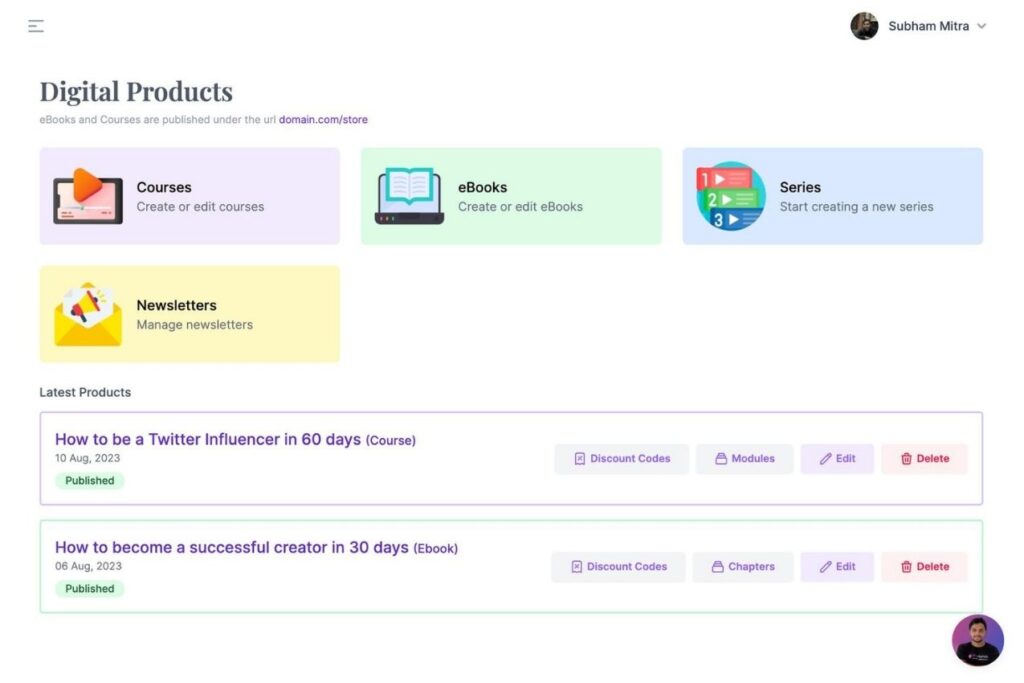
Many businesses already possess enough expertise to create:
- ebooks
- workbooks
- checklists
- online courses
- prompt libraries
- calculators
- planning templates
AI reduces the time required to organize and polish these resources.
Common Mistakes
Businesses often misuse AI by:
- Expecting AI to replace expertise.
- Publishing AI-generated content without review.
- Creating too much content without organization.
- Failing to verify facts.
- Never updating documentation.
- Keeping knowledge scattered across multiple tools.
Remember:
AI generates information.
People create wisdom.
AI Corner
Here are a few practical prompts:
Documenting Processes
“Turn these meeting notes into a clear SOP for new employees.”
Creating Training Guides
“Rewrite this process as beginner-friendly training material with examples.”
Building Templates
“Create a reusable customer onboarding checklist from this workflow.”
Capturing Experience
“Interview me one question at a time so we can document how I solve this recurring customer problem.”
Expert Tip
Don’t wait until everything is perfect before documenting it.
Capture version one.
Improve it over time.
An imperfect playbook that exists is infinitely more valuable than the perfect playbook that only exists in your head.
30-Day Action Plan
Week 1
Identify ten recurring tasks your business performs every week.
Week 2
Record yourself explaining each process.
Don’t worry about polish—just capture the knowledge.
Week 3
Use AI to organize the recordings into SOPs, templates, and training guides.
Week 4
Review, edit, and store everything in one central knowledge library.
GMBS Action Challenge
Write down three questions:
- What do customers ask me repeatedly?
- What do employees ask me repeatedly?
- What knowledge would disappear if I left the business tomorrow?
Now choose one answer and document it this week.
Congratulations.
You’ve just started building intellectual property.
Key Takeaways
- Your experience is one of your company’s greatest assets.
- AI accelerates documentation; it doesn’t replace expertise.
- Intellectual property extends far beyond patents.
- Knowledge becomes more valuable when it is reusable.
- Businesses that document their expertise become easier to scale, train, and eventually sell.
Final Thoughts
Every experienced business owner carries years of insight that competitors can’t easily replicate.
The tragedy isn’t that this knowledge is hard to acquire.
It’s that so much of it is never documented.
AI has changed that.
For the first time, even the smallest businesses can systematically capture experience and turn it into lasting business assets.
Years from now, your greatest competitive advantage may not be what you know.
It may be what your business remembers.