And What Modern Businesses Should Look for Next
Corporate travel in 2026 looks very different from even a few years ago. It’s no longer a back-office function focused only on bookings and reimbursements. Today, corporate travel sits at the intersection of finance, risk management, employee experience, sustainability, and data strategy.
As hybrid work stabilizes and in-person collaboration becomes more intentional, organizations are rethinking not just how teams travel — but why. The result is a sharper focus on platforms that act as strategic partners, not just transactional travel vendors.
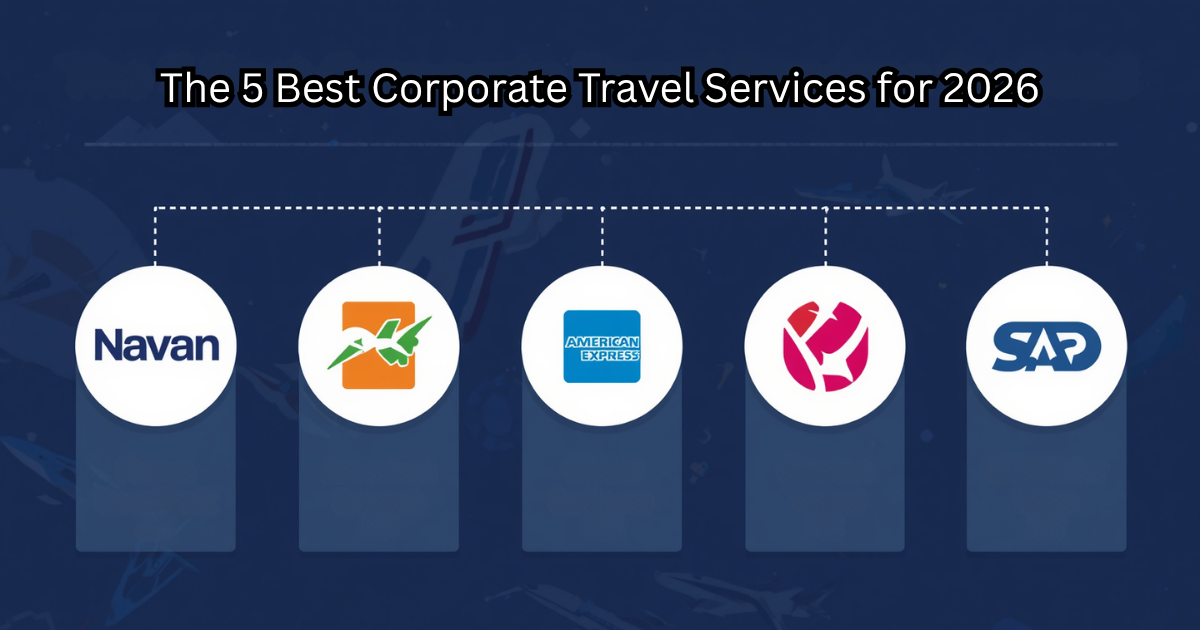
Based on market adoption, platform maturity, enterprise trust, and future readiness, here are the five corporate travel services that stand out in 2026 — and why.
What Defines a “Best” Corporate Travel Platform in 2026?

Leading organizations now expect corporate travel services to deliver across six core dimensions:
- Unified travel + expense management
- AI-driven automation and disruption handling
- Duty of care, compliance, and real-time risk visibility
- High-quality traveler experience (mobile-first, flexible)
- Advanced analytics and cost intelligence
- Built-in sustainability and ESG reporting
With these expectations in mind, the following platforms consistently rise to the top.
1. Navan (formerly TripActions)
Why it leads in 2026
Navan continues to define the modern, tech-forward corporate travel experience. Its core strength lies in seamlessly combining travel booking, expense management, policy controls, and analytics into a single, unified platform.
Key strengths
- AI-assisted booking and automated policy enforcement
- Real-time spend visibility for finance teams
- Strong, intuitive mobile experience for travelers
- Integrated expense management that reduces leakage and manual work
- 24/7 global support with rapid rebooking during disruptions
Best for
Fast-growing companies and global teams that want speed, visibility, and automation without sacrificing financial control.
2. TravelPerk

Why it stands out
TravelPerk excels at making corporate travel simple, flexible, and employee-friendly — a priority in a hybrid-work world where traveler experience directly impacts adoption.
Key strengths
- Intuitive booking with built-in policy compliance
- Flexibility features that reduce friction when plans change
- Strong sustainability tools, including carbon tracking and offsets
- Transparent pricing and real-time expense integration
- Reliable 24/7 traveler support
Best for
Small to mid-sized businesses and international teams that value ease of use and flexibility, alongside strong governance.
3. American Express Global Business Travel
Why it remains relevant
Amex GBT continues to be a powerhouse for large, complex enterprises with global footprints and strict compliance requirements.
Key strengths
- Deep global supplier relationships and negotiated rates
- Robust duty-of-care and risk-management infrastructure
- Full-service support for travel, meetings, and events
- Enterprise-grade reporting and governance
Considerations
While extremely powerful, its platforms can feel less intuitive than newer SaaS-first competitors. That said, for scale, risk coverage, and global reach, few match its depth.
Best for
Large enterprises, regulated industries, and organizations with complex global travel programs.
4. SAP Concur
Why it still matters
SAP Concur remains a cornerstone for organizations where finance integration, auditability, and ERP alignment are non-negotiable.
Key strengths
- Deep integration with SAP and enterprise finance systems
- Strong expense reporting, compliance, and audit trails
- Proven reliability at enterprise scale
Considerations
User experience and agility may feel more “enterprise legacy” compared to newer platforms, but its financial rigor and control remain unmatched.
Best for
Finance-led organizations and enterprises already embedded in the SAP ecosystem.
5. BCD Travel
Why it belongs on the list
BCD Travel continues to be a trusted partner for organizations that need customization, global reach, and human expertise, alongside technology.
Key strengths
- Strong global presence with local market expertise
- Custom travel programs and supplier negotiations
- Advanced analytics and reporting capabilities
- Flexible approach for complex enterprise needs
Best for
Multinational corporations seeking tailored travel strategies, not just off-the-shelf software.
Best for
Multinational corporations seeking tailored travel strategies, not just off-the-shelf software.
Key Trends Shaping Corporate Travel in 2026
1. AI Is Now Table Stakes

AI is no longer a differentiator — it’s an expectation. Leading platforms now use AI for:
- Proactive rebooking during disruptions
- Predictive cost insights and spend anomaly detection
- Personalized travel recommendations
2. Sustainability Has Moved From Feature to Requirement

Carbon tracking, emissions reporting, and ESG alignment are increasingly:
- Board-level expectations
- Procurement requirements
- Embedded in vendor scorecards
3. Traveler Well-Being Is a Business Priority

Burnout, travel fatigue, and mental health are now recognized as operational risks, pushing companies to choose platforms that reduce friction and stress for employees on the move.
How to Choose the Right Platform for Your Organization
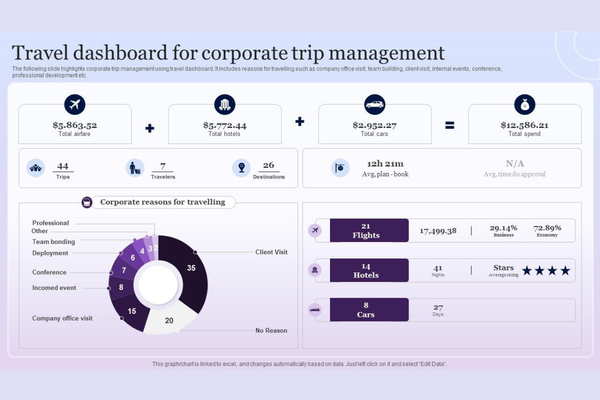
Rather than asking “Which is the best?”, a better question in 2026 is:
Which platform aligns with how our company operates today — and where we’re headed next?
Ask:
- Do we prioritize cost control, traveler experience, or both?
- How tightly must travel integrate with finance and ERP systems?
- What level of duty-of-care and global risk coverage do we require?
- Are sustainability metrics becoming mandatory for us?
- Can this platform scale as our business evolves?
Final Thought
The best corporate travel services of 2026 are not just booking tools. They are operational systems that influence cost discipline, employee satisfaction, risk exposure, and even brand values.
Organizations that treat travel as a strategic function, rather than an administrative one, will gain a quiet but powerful competitive advantage.