A few years ago, building a business often required hiring a web developer, graphic designer, copywriter, assistant, customer support team, video editor, and marketing agency — sometimes before the business had even made its first dollar.
Today, that reality is changing fast.
We are entering a new era of entrepreneurship where a single motivated business owner can operate like a small company using AI-powered tools and cloud systems. The businesses growing the fastest are often not the ones with the biggest teams — but the ones with the best systems.
That doesn’t mean AI replaces human creativity or relationships. It means small businesses can finally compete more efficiently.
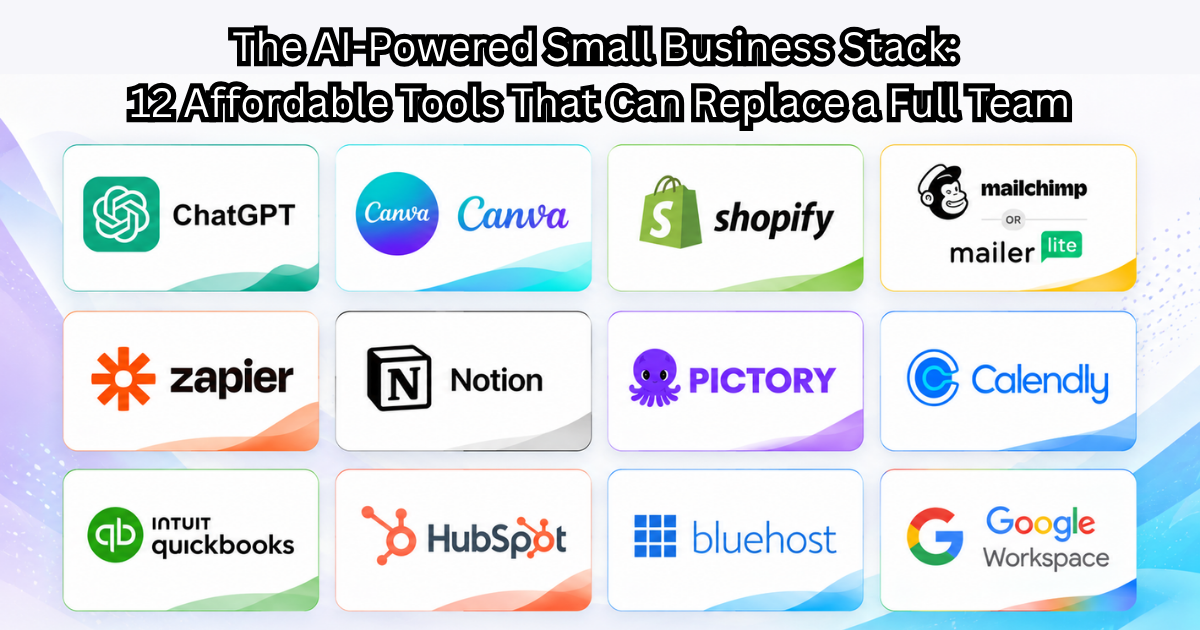
Here are 12 affordable tools that can dramatically streamline operations for startups, creators, consultants, and local businesses.
1. ChatGPT

Best for: Writing, brainstorming, research, workflows
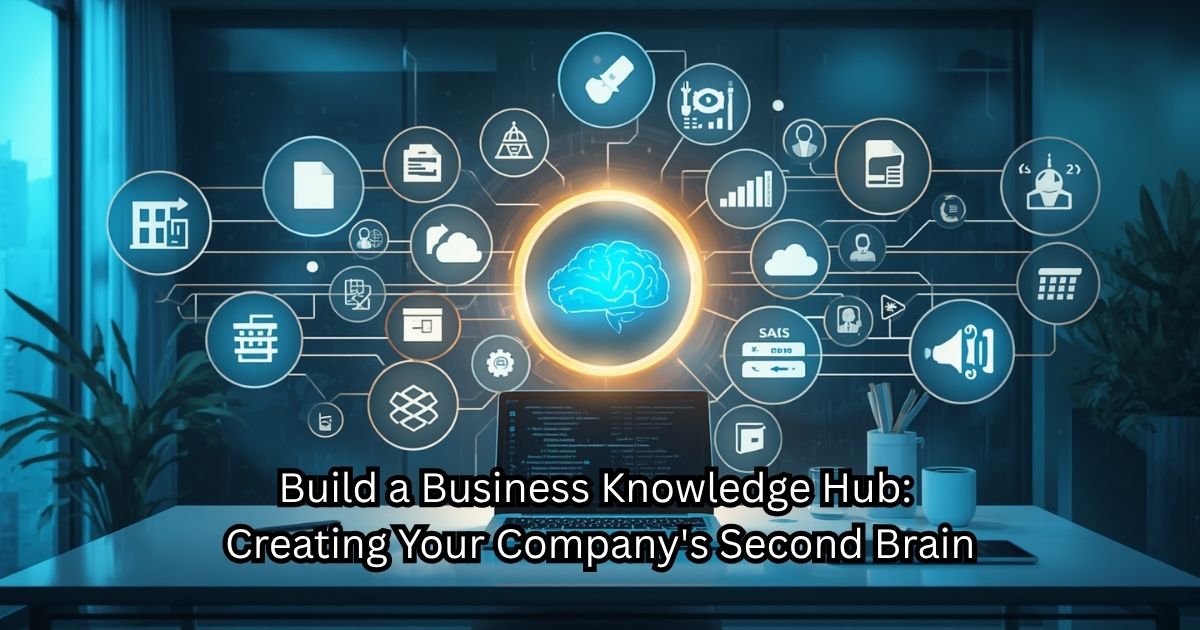
From blog writing and customer emails to idea generation and process documentation, AI assistants are becoming the “second brain” for small businesses.
Use cases:
- Drafting proposals
- Writing social media posts
- Customer support templates
- Business planning
- SEO brainstorming
2. Canva
Best for: Graphics, presentations, social posts
Many small businesses no longer need a full-time graphic designer for day-to-day content creation.
Canva allows business owners to:
- Create social media posts
- Design presentations
- Build flyers
- Create lead magnets
- Produce quick promotional videos
3. Shopify
Best for: Selling products online
For businesses selling physical products, Shopify has simplified e-commerce dramatically.
What once required developers and technical maintenance can now often be launched in days instead of months.
4. Mailchimp or MailerLite
Best for: Email marketing automation
Email remains one of the highest ROI marketing channels for small businesses.
Modern email tools now include:
- Automations
- Landing pages
- Forms
- Segmentation
- AI-assisted writing
5. Zapier

Best for: Automation between apps
Zapier connects systems together.
Example:
Website form → CRM → Email sequence → Slack notification → Spreadsheet entry.
That kind of automation once required developers.
Now it can be built visually.
6. Notion
Best for: Internal business organization
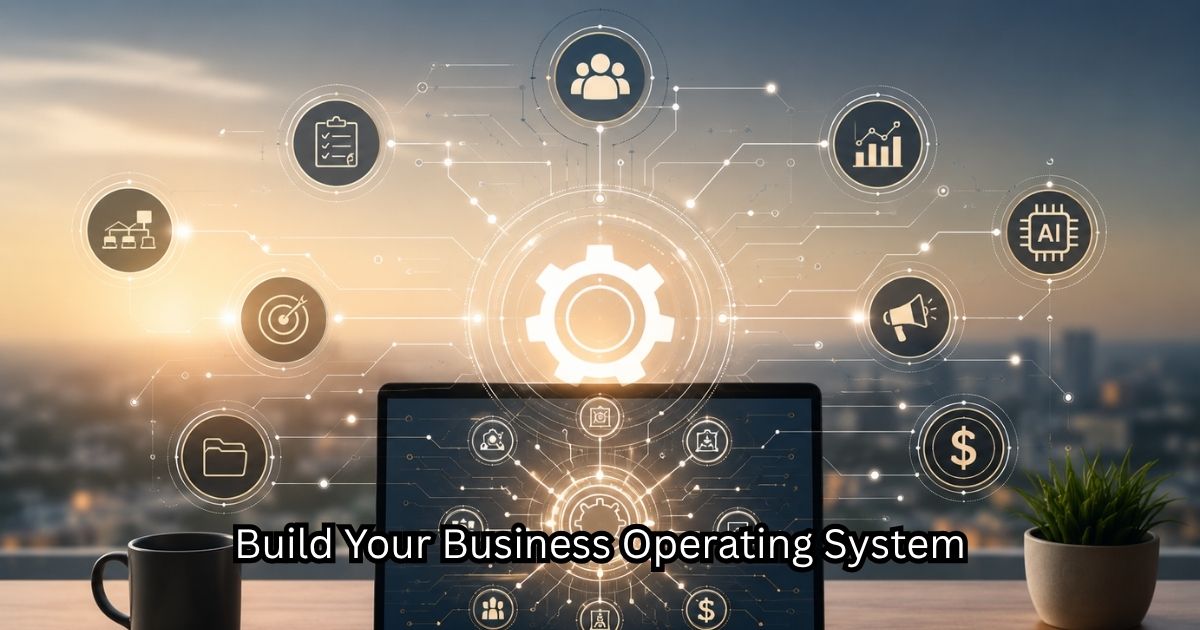
Think of Notion as a lightweight operating system for your business.
Use it for:
- SOPs
- Content calendars
- CRM tracking
- Team collaboration
- Project planning
7. Pictory

Best for: Turning blogs into videos
One of the biggest shifts happening right now is content repurposing.
A single blog post can become:
- YouTube videos
- Instagram reels
- LinkedIn posts
- Email newsletters
Pictory helps automate part of that process.
8. Calendly

Best for: Appointment scheduling
Small businesses lose enormous time going back and forth over scheduling.
Calendly automates:
- Meetings
- Consultations
- Discovery calls
- Follow-ups
9. QuickBooks
Best for: Accounting and bookkeeping
Even basic financial organization dramatically improves decision-making.
Good systems help track:
- Expenses
- Invoices
- Profitability
- Taxes
- Cash flow
10. HubSpot
Best for: CRM and lead management
Many small businesses still lose leads through disorganization.
A CRM creates structure around:
- Leads
- Follow-ups
- Client stages
- Communication history
11. Bluehost

Best for: Fast website setup
Hosting companies are increasingly integrating AI-powered website setup and support systems, making website launches dramatically easier for non-technical business owners.
12. Google Workspace
Best for: Everyday business operations
Still one of the most powerful low-cost ecosystems for:
- Docs
- Sheets
- Drive
- Meetings
- Collaboration
Final Thoughts
The biggest opportunity today is not simply “using AI.”
It is building a connected business system where technology supports clarity, consistency, and execution.
Many small business owners still operate with scattered tools, disconnected workflows, and reactive processes.
The businesses that grow over the next decade will likely be the ones that combine:
- Human relationships
- Clear positioning
- Operational systems
- AI-assisted efficiency
Not to replace people.
But to remove friction.