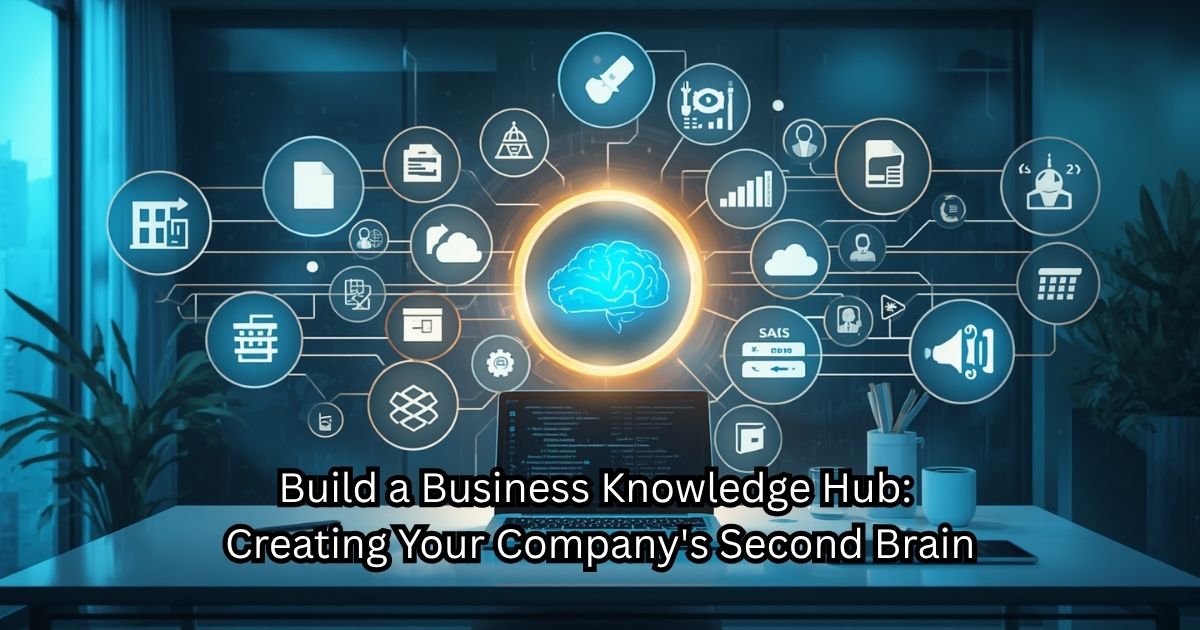
GMBS Playbook Chapter 3- How to Turn Your Expertise Into Intellectual Property - Why Your Most Valuable Business Asset May Already Exist
Every business owner possesses something that competitors cannot easily copy.
It isn’t always their product.
It isn’t always their technology.
More often, it is their experience.
Years of solving customer problems.
Years of making mistakes.
Years of improving processes.
Years of learning what works.
Unfortunately, most of this knowledge remains trapped inside the owner’s mind.
Every day, business owners answer the same customer questions, train employees, explain procedures, and solve recurring problems. They are creating intellectual value, but very little of it becomes a permanent business asset.
The difference between an ordinary business and an extraordinary one often lies in one simple habit:
Successful businesses document what they know.
Once knowledge is documented, it becomes an asset that can be reused, improved, sold, licensed, or shared.
This chapter explores how to transform everyday business knowledge into intellectual property that continues creating value long after the original work is complete.
What Is Intellectual Property?
When people hear the term intellectual property (IP), they often think of patents, lawyers, or large technology companies.
In reality, intellectual property is much broader.
It includes almost anything your business creates through knowledge, creativity, or innovation.
Examples include:
- Business processes
- Training manuals
- Software
- Website content
- Videos
- Courses
- Product designs
- Operating procedures
- Marketing campaigns
- Checklists
- Templates
- Brand names
- Logos
- Customer education materials
Every business creates intellectual property.
The question is whether you recognize it as an asset.
The Hidden Cost of Keeping Knowledge in Your Head
Imagine your most experienced employee resigns tomorrow.
How much knowledge walks out the door?
If your answer is “quite a lot,” your business has a documentation problem.
Knowledge that exists only inside people’s minds has very little transferable value.
Knowledge that is documented becomes part of the business itself.
This distinction becomes especially important when hiring, expanding, selling your business, or opening additional locations.
Five Signs Your Business Is Ready to Build Intellectual Property
1. Customers Ask the Same Questions

Repeated questions often become:
- FAQs
- Guides
- Videos
- Courses
- Knowledge bases
2. Employees Perform Repetitive Tasks

Every repeated task deserves documentation.
Today’s employee training becomes tomorrow’s operating manual.
3. You Follow the Same Process Every Time

If you have a repeatable process, you already have the foundation of a business framework.
Document it.
Improve it.
Own it.
4. Clients Value Your Method More Than Your Time

Many successful consultants eventually realize clients aren’t paying for hours.
They’re paying for a proven approach.
That approach can become intellectual property.
5. People Ask How You Do Things

Whenever someone asks,
“How do you consistently achieve these results?”
you’ve identified knowledge worth documenting.
Turning Expertise Into Assets
Most businesses follow this journey.
Experience
↓
Knowledge
↓
Repeatable Process
↓
Documented Process
↓
Template
↓
Framework
↓
Training
↓
Digital Product
↓
Licensable Asset
Each step increases the value of the original knowledge.
Seven Intellectual Assets Every Small Business Should Build
1. Standard Operating Procedures (SOPs)

Document routine activities.
Examples:
- Opening procedures
- Customer onboarding
- Quality checks
- Inventory management
- Client communication
Benefits:
- Faster onboarding
- Consistent quality
- Easier delegation
- Higher business value
2. Business Frameworks
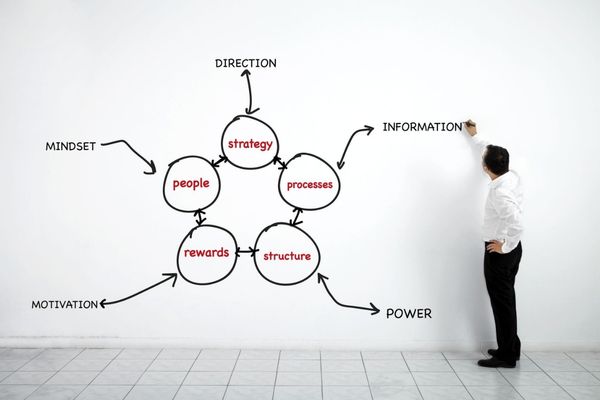
Create structured approaches for solving customer problems.
Instead of saying,
“We provide marketing consulting.”
Develop:
“The GMBS Local Growth Framework.”
Frameworks make expertise easier to explain and remember.
3. Templates

Customers appreciate tools that save time.
Examples:
- Proposal templates
- Budget worksheets
- Marketing calendars
- Project plans
- CRM templates
Templates often become digital products.
4. Training Programs

Every employee training session can become:
- Video courses
- Certification programs
- Customer education
- Partner onboarding
Training is intellectual property.
5. Content Libraries

Every blog article, webinar, podcast, presentation, and video contributes to your intellectual asset library.
Instead of creating content once and forgetting it, organize it into searchable knowledge.
6. Customer Knowledge Base

Document:
- Frequently asked questions
- Troubleshooting guides
- Tutorials
- Product documentation
This improves customer experience while reducing support costs.
7. Proprietary Methodologies

Businesses often develop unique ways of delivering results.
Give those methodologies a name.
Document them.
Improve them continuously.
Over time they become recognizable assets associated with your brand.
Using AI to Accelerate Intellectual Property Creation
Modern AI tools have dramatically reduced the time required to document expertise.
Consider using AI to:
- Draft SOPs
- Organize meeting notes
- Create training materials
- Produce customer guides
- Convert presentations into articles
- Generate knowledge-base content
- Summarize internal documentation
AI does not replace expertise.
It helps package expertise more efficiently.
Protecting Your Intellectual Property
Not every idea requires a patent.
Depending on the asset, protection may include:
- Copyrights
- Trademarks
- Confidentiality agreements
- Employment agreements
- Licensing contracts
- Trade secrets
Understanding which protection fits your asset is an important part of building long-term business value.
Common Mistakes
Many businesses:
- Never document their expertise.
- Create documents but never update them.
- Assume competitors cannot replicate their knowledge.
- Give away valuable intellectual property without agreements.
- Focus only on selling services instead of building assets.
Avoiding these mistakes can significantly increase the long-term value of your business.
Your 30-Day Action Plan
Week 1
Identify the five most common tasks performed in your business.
Week 2
Document each task step by step.
Week 3
Create templates and supporting resources.
Week 4
Review, improve, and store everything in a shared knowledge base.
Repeat this process every month.
Over time, your business develops an increasingly valuable intellectual property portfolio.
Final Thoughts
Many entrepreneurs spend years building expertise.
Far fewer spend time preserving it.
Businesses that document knowledge create assets.
Assets increase efficiency.
Assets improve valuation.
Assets create new revenue opportunities through training, digital products, partnerships, and licensing.
The question isn’t whether your business possesses intellectual property.
It almost certainly does.
The real question is:
Have you turned it into a business asset yet?