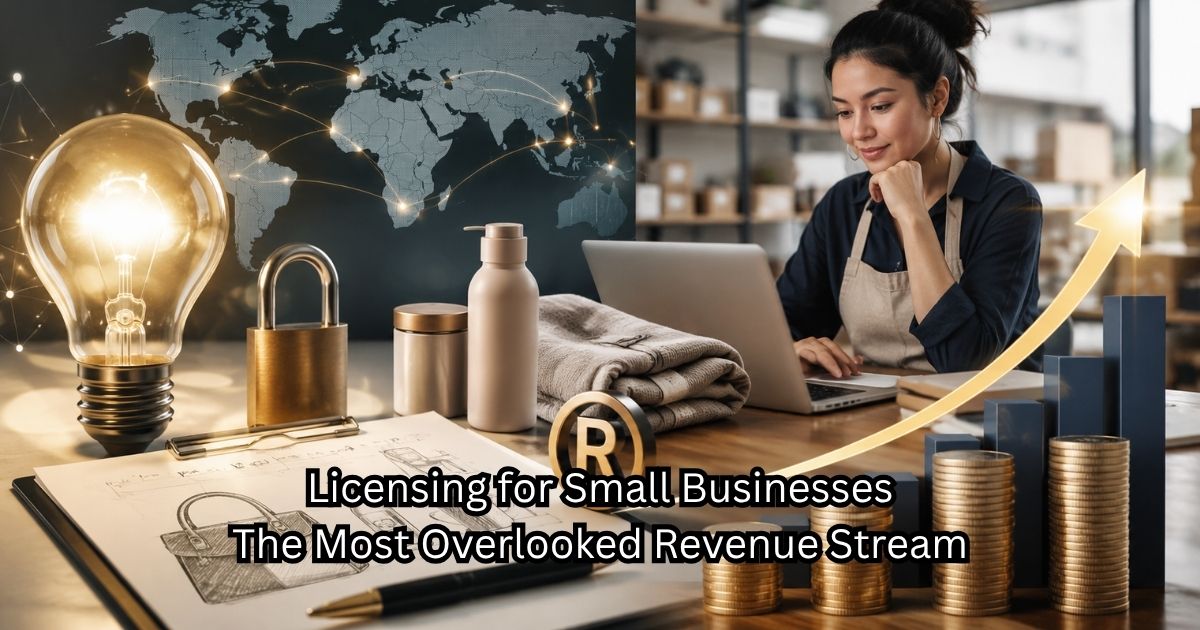
GMBS Playbook Chapter 4- Licensing for Small Businesses - The Most Overlooked Revenue Stream
When most business owners hear the word licensing, they think of large corporations.
Disney licenses its characters.
Technology companies license software.
Sports teams license merchandise.
Universities license patents.
It feels like something reserved for billion-dollar organizations.
In reality, licensing is simply giving someone the legal right to use something you own under agreed terms.
And that “something” doesn’t have to be a famous brand or a patented invention.
It could be a business process.
A training program.
A curriculum.
A software tool.
A recipe.
A marketing system.
A customer onboarding process.
A quality-control checklist.
Many small businesses already own assets that others would happily pay to use—they just haven’t recognized them as licensable.
What Is Licensing?
Licensing is a business arrangement where the owner of an intellectual asset allows another person or organization to use that asset in exchange for compensation.
Unlike selling an asset outright, licensing allows you to retain ownership while generating income from its use.
Think of it as renting out your expertise rather than selling it.
If structured well, one asset can generate revenue from multiple customers simultaneously.
Why Licensing Matters?
Traditional service businesses often face a common limitation:
Revenue is tied to time.
A consultant can only serve so many clients.
A trainer can only teach so many workshops.
An agency can only complete so many projects.
Growth eventually requires hiring more people, increasing overhead, and managing greater complexity.
Licensing changes the equation.
Instead of asking:
“How many more hours can I work?”
You begin asking:
“How many organizations could benefit from using what I’ve already built?”
This shift moves the business from selling effort to leveraging assets.
What Can a Small Business License?
One of the biggest misconceptions is that only patented inventions can be licensed.
In reality, many types of intellectual property can form the basis of a licensing agreement.
Examples include:
Business Systems

- Customer onboarding processes
- Sales methodologies
- Operational workflows
- Quality assurance systems
Training & Education

- Employee training programs
- Online courses
- Certification programs
- Workshop materials
Digital Products

- Software
- Mobile apps
- AI prompt libraries
- Templates
- Dashboards
- Automation workflows
Creative Assets

- Brand names
- Logos
- Product designs
- Photography
- Videos
- Music
- Illustrations
Industry Expertise

- Manufacturing processes
- Restaurant operating manuals
- Salon procedures
- Healthcare protocols
- Consulting frameworks
Every documented process has the potential to become a transferable business asset.
Is Your Business Ready to License?
Before considering licensing, ask yourself these questions.
Can someone else consistently deliver results using your process?
Is the process documented?
Can you train another business to use it?
Are quality standards clearly defined?
Would customers receive a consistent experience?
If the answer to most of these questions is “yes,” you’re closer than you may think.
Common Licensing Models
1. Flat Fee License

The licensee pays a one-time fee for the right to use your intellectual property.
Suitable for:
- Templates
- Software
- Training materials
2. Royalty-Based Licensing
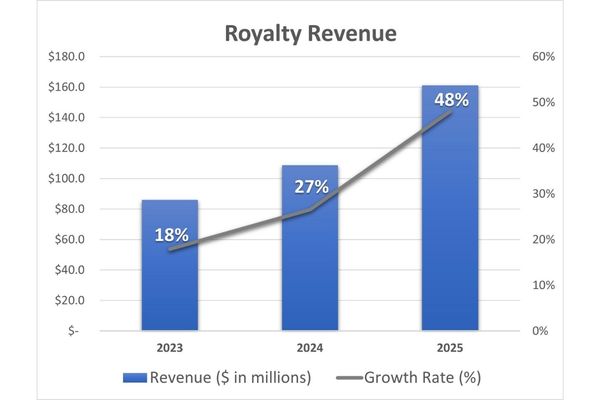
You receive a percentage of sales generated using your intellectual property.
Suitable for:
- Brands
- Products
- Educational content
3. Subscription Licensing
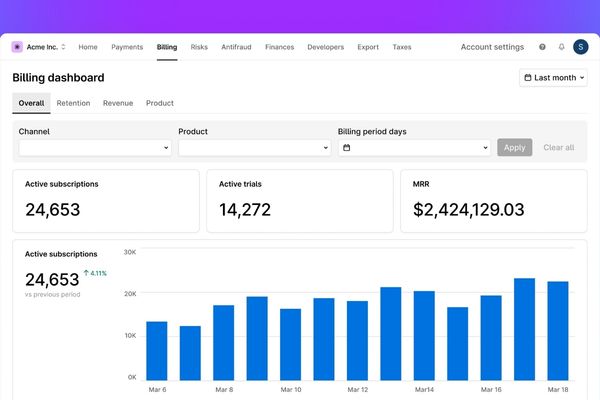
Businesses pay recurring monthly or annual fees.
Suitable for:
- Software
- AI tools
- Digital resources
- Membership platforms
4. Territory Licensing
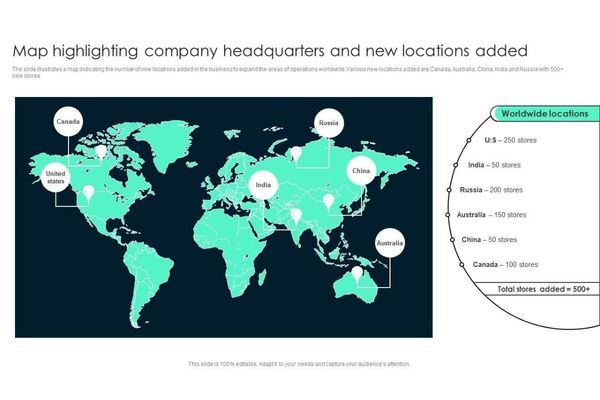
Different partners receive exclusive rights within defined geographic regions.
Suitable for:
- Regional expansion
- International markets
5. White Label Licensing

Another company offers your product or service under its own brand.
Suitable for:
- Software
- Marketing services
- Technology platforms
Preparing Your Business for Licensing
Licensing isn’t just about having a great idea.
It requires preparation.
Documentation
Every process should be clearly documented.
Training
Partners need structured onboarding and support.
Quality Standards
Your reputation depends on consistent delivery.
Branding
Visual identity, messaging, and customer experience should be clearly defined.
Legal Agreements
Licensing agreements should clearly outline:
- Scope of use
- Duration
- Fees or royalties
- Renewal terms
- Intellectual property ownership
- Quality expectations
Professional legal advice is recommended before entering licensing arrangements.
AI Is Creating New Licensing Opportunities
Artificial intelligence has made it easier than ever for small businesses to create intellectual assets worth licensing.
Examples include:
- AI-assisted training programs
- Prompt libraries
- Industry-specific chatbots
- Automated reporting templates
- Marketing workflows
- Knowledge bases
Businesses that package these assets effectively may discover entirely new revenue streams.
Common Mistakes
Many businesses attempt licensing before they are ready.
Avoid these pitfalls:
- Poor documentation
- Inconsistent quality
- Weak branding
- No onboarding process
- Unrealistic pricing
- Lack of legal agreements
- Insufficient partner support
Licensing succeeds when partners can confidently reproduce the value your business is known for.
30-Day Licensing Readiness Plan
Week 1
List every process, template, or system your business has developed.
Week 2
Identify which assets could be used by another business.
Week 3
Document one complete system.
Week 4
Create a simple training guide and evaluate whether the system could be licensed.
Repeat this exercise every quarter.
Over time, your business will accumulate a portfolio of licensable assets.
Final Thoughts
Many business owners believe growth requires working harder.
Others discover that growth comes from building assets that others can use.
Licensing is not reserved for global corporations.
It is a practical strategy for businesses that have invested time in documenting knowledge, refining systems, and creating repeatable value.
The goal isn’t simply to do more work.
It’s to build something valuable enough that others are willing to pay for the right to use it.
That is the power of intellectual property.
And for many businesses, it represents one of the most overlooked opportunities for long-term, scalable growth.