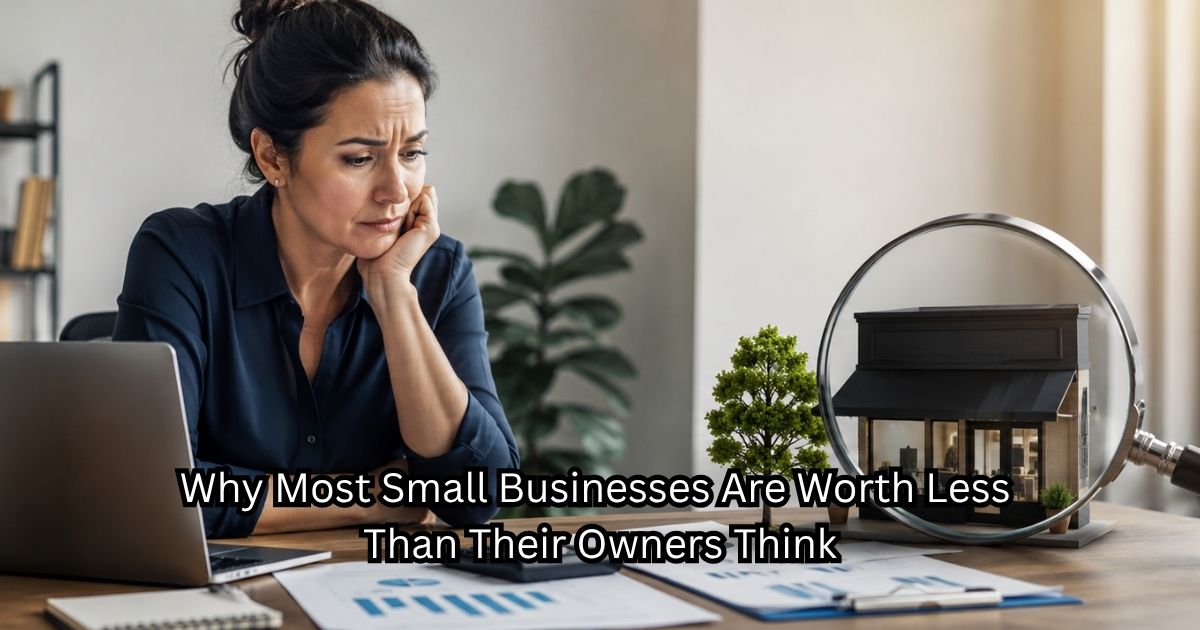
GMBS Playbook Chapter 5- Why Most Small Businesses Are Worth Less Than Their Owners Think
Opening Story
Meera had spent fifteen years building her accounting practice.
She had hundreds of loyal clients.
A talented team.
Steady annual revenue.
And an excellent reputation in her community.
When she decided to retire, she contacted a business broker.
She expected her business to be worth several million dollars.
After all, she had invested fifteen years of hard work.
The valuation came back much lower than she expected.
Confused, she asked,
“How can my business be worth so little when it generates healthy profits?”
The broker replied with a question.
“If you disappeared tomorrow, how much of this business would continue without you?”
Silence filled the room.
Most major client relationships depended on Meera.
She approved every important decision.
Her processes existed mostly in her head.
The business generated excellent income.
But it had very few transferable assets.
She hadn’t built a business.
She had built an exceptional career.
There is an important difference.
The Hidden Problem
Many entrepreneurs assume that years of hard work automatically increase business value.
Unfortunately, buyers don’t purchase effort.
They purchase future earning potential.
The more dependent a business is on its owner, the less valuable it often becomes to someone else.
Business value isn’t determined only by revenue.
It is determined by how reliably that revenue can continue in the future.
The Mindset Shift
Instead of asking:
“How much money did my business make this year?”
Start asking:
“How valuable would my business be if someone wanted to buy it tomorrow?”
The answers are often very different.
A business that consistently builds assets becomes more attractive to investors, partners, lenders, and future buyers.
What Buyers Really Look For
When evaluating a business, experienced buyers often ask questions such as:
- Can the business operate without the owner?
- Is revenue predictable?
- Are customer relationships diversified?
- Are business processes documented?
- Is there recurring revenue?
- Does the company own valuable intellectual property?
- Is customer information organized in a CRM?
- Is there a recognizable brand?
- Can employees continue operations independently?
Notice that most of these questions focus on systems and assets—not on the owner’s personal abilities.
Seven Factors That Increase Business Value
1. Documented Systems
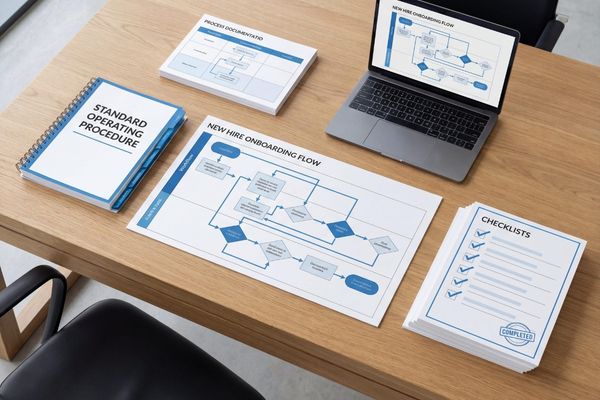
Businesses with clear operating procedures are easier to manage, scale, and transfer.
Documented systems reduce risk for a future owner.
2. Recurring Revenue
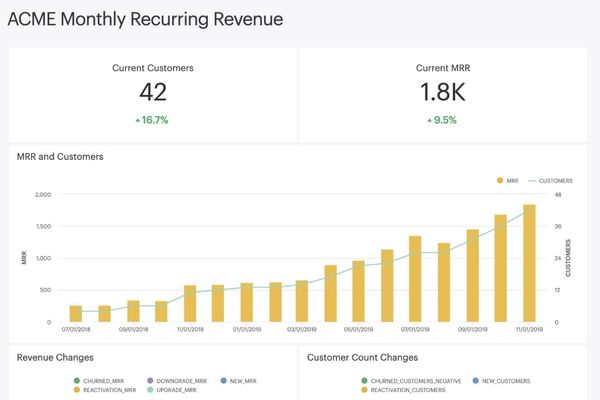
Subscription services.
Maintenance contracts.
Memberships.
Licensing agreements.
Long-term retainers.
Predictable income is generally more valuable than one-time sales.
3. Customer Diversity
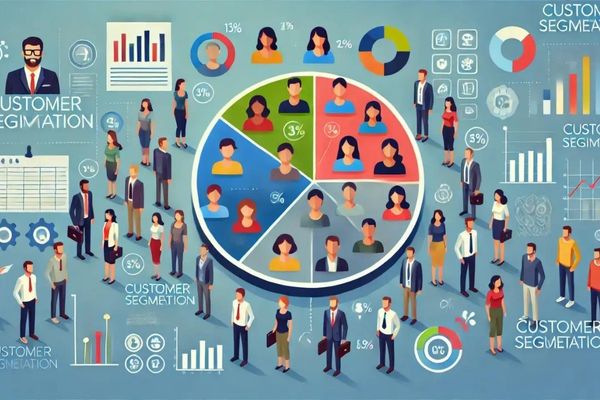
A business that depends on one or two major customers carries higher risk.
A diversified customer base creates stability.
4. Intellectual Property

Unique frameworks.
Software.
Training programs.
Templates.
Brands.
These assets continue creating value regardless of who owns the company.
5. Strong Management Team

Businesses that rely entirely on the owner become difficult to transfer.
Leadership should be distributed.
Knowledge should be shared.
6. Technology & Automation
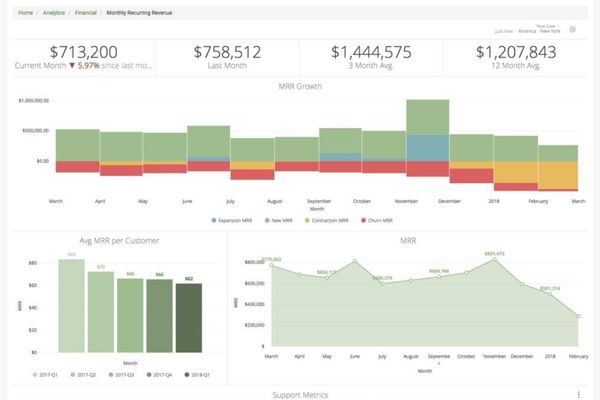
Modern businesses benefit from:
- CRM systems
- Automated workflows
- AI-assisted operations
- Financial dashboards
- Customer self-service
Technology improves consistency while reducing operational risk.
7. Brand Reputation

Trust takes years to build.
A respected brand often commands higher business value because customers already recognize and trust it.
AI Corner
Artificial Intelligence can improve business value by helping owners:
- Document SOPs.
- Build knowledge bases.
- Automate repetitive work.
- Improve customer support.
- Analyze customer behavior.
- Standardize operations.
AI should strengthen your systems—not become your business.
Common Mistakes
Many businesses unintentionally reduce their own value by:
- Keeping critical knowledge in the owner’s head.
- Ignoring documentation.
- Failing to build recurring revenue.
- Neglecting customer data.
- Depending on manual processes.
- Treating content as disposable instead of as an asset.
These issues don’t always affect today’s income.
But they often reduce tomorrow’s valuation.
30-Day Action Plan
Week 1
Identify the areas where your business depends most heavily on you.
Week 2
Document one critical business process.
Week 3
Strengthen one recurring revenue opportunity.
Week 4
Review your customer database, technology, and knowledge assets.
Choose one improvement to complete before the month ends.
Repeat the process every quarter.
Key Takeaways
- Revenue and business value are not the same thing.
- Buyers invest in predictable systems and future earnings.
- Intellectual property, recurring revenue, documented processes, and customer relationships increase business value.
- Every improvement that reduces owner dependency strengthens the business.
Final Thoughts
One day, every business owner will leave their business.
Some will retire.
Some will sell.
Some will pass the business to family.
Others will simply move on to new opportunities.
The question isn’t whether that day will come.
The question is whether the business you’ve built can continue creating value without you.
The answer depends on the assets you build today.
The most valuable businesses aren’t simply profitable.
They’re transferable.
And transferability begins long before the business is ever offered for sale.